October 2, 2026
Periodontal Treatment Ventura: Advanced Care for Lasting Gum Health
By @arthurwhqo728
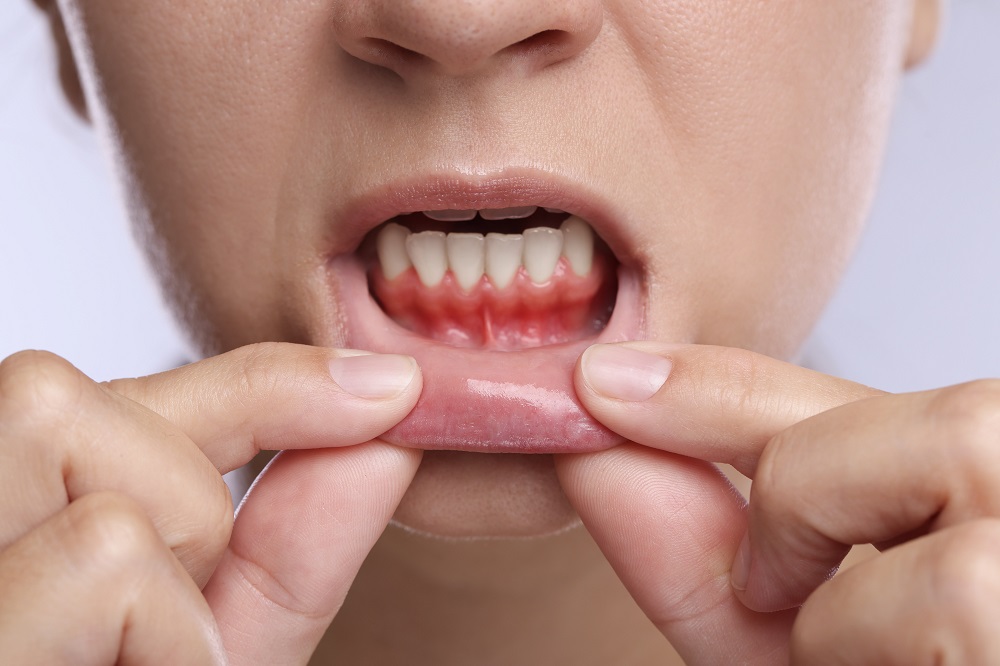
Healthy gums rarely get much attention until something feels off. A little bleeding when brushing, a bad taste that does not go away, tenderness near a back tooth, or teeth that suddenly seem longer than they used to. These changes can appear minor at first, yet they often point to a disease process that is anything but minor. Periodontal disease affects the tissues and bone that support the teeth, and once it advances, it can change the health, comfort, and stability of the entire mouth.
For patients seeking Periodontal Treatment Ventura, the most important thing to understand is that modern care is far more precise and personalized than many people expect. Gum treatment is not simply a deep cleaning and a lecture about floss. In a well-run periodontal setting, care is based on the depth of infection, the pattern of bone loss, the patient’s medical history, bite forces, home care habits, and long-term goals. Some cases respond beautifully to non-surgical therapy. Others need a more advanced approach to stop active destruction and rebuild lost support where possible.
The best outcomes come from acting early, before damage becomes harder to control. That said, even patients with years of gum problems often make meaningful progress with the right diagnosis, skilled treatment, and consistent maintenance.
Why gum disease is often missed until it becomes serious
Periodontal disease tends to progress quietly. Cavities often hurt once they are deep enough. Gum disease does not always announce itself with pain. Many patients function for years with inflammation, tartar buildup below the gumline, and slow bone loss without realizing how much support they have already lost.
Bleeding gums are one of the clearest warning signs, yet people commonly normalize it. They switch toothpaste, brush more lightly, or assume it is temporary. In practice, healthy gums do not usually bleed from routine brushing or flossing. Repeated bleeding is a sign of inflammation, and inflammation in the gums deserves a closer look.
Another reason periodontal disease slips by is that symptoms vary. One patient may have puffiness and tenderness near the front teeth. Another notices chronic bad breath. A third says their bite feels different, or food packs between teeth that never trapped food before. The appearance of recession can also be subtle. A patient may not recognize that the tooth looks longer because the change happened gradually over several years.
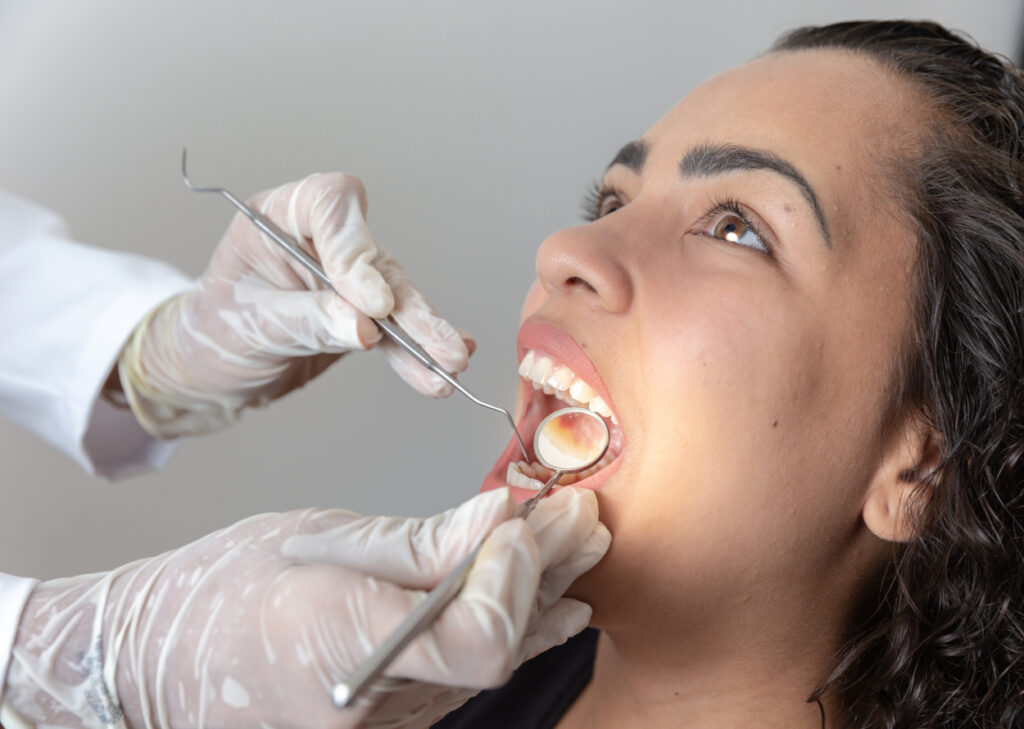
This is where a thorough periodontal evaluation matters. Dentists and periodontists do not diagnose gum disease by looking alone. They measure the space between tooth and gum, assess bleeding points, evaluate mobility, review X-rays for bone levels, and consider risk factors such as diabetes, tobacco use, dry mouth, grinding, and past periodontal history. A six millimeter pocket with bleeding and bone loss means something very different from a healthy two or three millimeter sulcus.
What periodontal treatment is actually treating
At its core, periodontal treatment aims to reduce the bacterial burden beneath the gums, calm inflammation, and preserve the structures that hold teeth in place. Those structures include the gingiva, periodontal ligament, root surfaces, and surrounding bone. When plaque hardens into calculus below the gumline, it creates a rough surface where bacteria continue to thrive. Over time, the immune response to that bacterial load contributes to connective tissue breakdown and bone loss.
Treatment is not only about cleaning. It is about changing the environment around the tooth so the tissues can stabilize. In some cases, that means carefully removing deposits from deep root surfaces. In others, it means surgically accessing areas that cannot be fully managed through non-surgical techniques alone. If recession or defects are present, treatment may include grafting or regenerative procedures designed to protect roots and support function.
Patients sometimes assume the goal is to get the gums back to how they were at age twenty. That is not always realistic. The more accurate goal is health and stability. A tooth that has lost some bone can still function for many years if infection is controlled and the patient stays on an appropriate maintenance schedule.
Common signs that deserve prompt attention
The following symptoms are worth evaluating, especially if they persist for more than a week or two:
- bleeding during brushing or flossing
- persistent bad breath or a bad taste in the mouth
- gum recession or teeth appearing longer
- loose teeth or shifting teeth
- soreness, swelling, or pus near the gums
Not every one of these signs means advanced periodontal disease, but none should be ignored. I have seen patients dismiss mobility as stress or believe recession was just part of aging, only to learn that active disease had been progressing for quite some time.
The first visit: what a thorough periodontal workup should include
A quality periodontal exam goes beyond a quick glance and a generic treatment recommendation. The visit should establish where disease is active, how severe it is, and what may be driving it.
A clinician will usually begin with a medical and dental history. This matters more than many people realize. Diabetes, pregnancy, certain medications, autoimmune conditions, and smoking can all influence gum response and healing. A patient taking medications that reduce saliva, for example, may accumulate plaque faster and have a more difficult time controlling inflammation. A patient who grinds heavily at night may show mobility and recession patterns that are not explained by bacteria alone.
Periodontal charting follows. This means measuring pocket depths around each tooth, checking for bleeding on probing, noting recession levels, and identifying furcation involvement where bone loss extends into the area between roots of molars. Full-mouth X-rays or recent high-quality radiographs help show bone height and root anatomy. In some cases, a cone beam scan is useful, especially when planning advanced procedures or evaluating defects in three dimensions.
One detail that separates thoughtful care from rushed care is the discussion after the exam. Patients should leave understanding where disease is mild, where it is moderate or severe, which teeth need close attention, and what the realistic options are. If treatment is recommended, it should be linked directly to findings rather than framed as a one-size-fits-all package.
Non-surgical periodontal therapy and when it works well
For many patients, the first phase of treatment is non-surgical periodontal therapy, often called scaling and root planing. This is more involved than a routine cleaning. The goal is to remove plaque, calculus, and bacterial toxins from root surfaces below the gumline so the tissues can begin to heal.
When disease is caught early to moderate, this phase can be remarkably effective. Pocket depths often decrease as inflammation resolves and the gum tissue tightens around the teeth. Bleeding may drop dramatically within weeks if the patient also improves home care. Even in more advanced cases, non-surgical therapy is frequently the right starting point because it reduces infection and reveals which areas respond and which do not.
A common misconception is that deep cleaning permanently fixes periodontal disease. It does not. It manages active infection, but long-term success depends on what happens afterward. If the patient returns to irregular cleanings and inconsistent home care, inflammation often returns. Periodontal disease behaves more like a chronic condition that needs ongoing management than a problem that disappears forever after one appointment.
Comfort during treatment has improved significantly over the years. Local anesthetic makes the procedure tolerable for most patients, and appointments are often divided by side or quadrant for practical reasons. Some offices also use adjunctive antimicrobial therapies in selected cases. These tools can help, but they do not replace meticulous mechanical cleaning and proper maintenance.
When advanced periodontal treatment becomes necessary
Some conditions call for more than non-surgical care. Deep persistent pockets, complex root anatomy, vertical bone defects, gum recession with root sensitivity, or tissue loss around implants may require advanced intervention.
Periodontal surgery is not recommended casually. It is considered when access is needed to thoroughly clean deep areas, reshape tissue contours, reduce pockets, or attempt regeneration in defects where bone architecture makes rebuilding possible. A well-trained periodontist weighs what can be predictably improved against what would add cost and recovery time without much gain.
Flap procedures, for example, allow direct visualization of roots and bone. This can make a crucial difference in areas where heavy deposits remain hidden below the gumline. Osseous recontouring may be used in certain patterns of bone loss to create a healthier shape that the tissue can adapt to more successfully. In selected defects, regenerative materials such as membranes, bone grafting materials, or biologic agents may encourage the body to rebuild some lost support.
Gum grafting addresses another common problem in Ventura practices, especially among patients with recession from thin tissue, aggressive brushing, orthodontic movement, or periodontal disease. Exposed roots can be sensitive, more prone to root decay, and less esthetic in the smile zone. A graft can thicken tissue, improve coverage in some cases, and make the area easier to maintain over time.
Not every tooth is a candidate for every procedure. This is where experience matters. A molar with severe furcation involvement, mobility, and extensive bone loss may be a poor long-term investment even if surgery is technically possible. On the other hand, a front tooth with localized recession and otherwise stable support may respond very well to soft tissue grafting. Good periodontal treatment relies on judgment, not just technique.
Dental implants and periodontal health are closely linked
Patients often assume implants solve gum problems because implants do not get cavities. That is true, but implants can still fail when the surrounding tissue becomes inflamed or infected. Peri-implant mucositis and peri-implantitis are real clinical concerns, especially in patients with a history of periodontal disease.
Before placing an implant, the mouth should be as healthy and stable as possible. Active periodontal infection increases risk. Adequate bone and healthy soft tissue matter, and so does the patient’s ability to maintain the area. If someone struggles to keep natural teeth free of heavy plaque and calculus, an implant will not magically maintain itself.
In Ventura and similar communities, many adults seeking implant treatment had one or more teeth extracted after years of neglected gum issues. The best implant outcomes tend to come from patients who treat implant placement as part of a broader periodontal plan, not as an isolated procedure.
What recovery usually feels like
One of the most useful parts of patient education is setting realistic expectations. After scaling and root planing, patients often notice tenderness for a day or two, mild cold sensitivity, and a cleaner feeling along the gumline. If inflammation was significant before treatment, the gums may appear to shrink slightly as swelling resolves. Some patients worry that this means treatment harmed the gums. In reality, the tissue is often returning to a healthier contour after chronic puffiness subsides.
Surgical recovery depends on the procedure. Soft tissue grafting usually involves more tenderness at the donor site or graft area than patients expect, though discomfort is often manageable with prescribed or recommended medication. Flap surgery can cause soreness and swelling for several days, with gradual improvement over a week or two. Most people are pleasantly surprised that the experience is less dramatic than they feared, especially when they follow instructions carefully and avoid testing the area with aggressive brushing or chewing.
A practical point that patients appreciate hearing in advance is that healing is not the same as final evaluation. Tissues need time to mature. A pocket depth measured too soon after treatment does not tell the whole story. Re-evaluation appointments are where clinicians determine how well the tissue responded and whether the current plan is enough.
The maintenance phase is where long-term success is won
This is the part that separates short-term improvement from lasting periodontal health. Once a patient has had periodontal disease, routine six-month cleanings may not be enough. Many do better on a three- or four-month periodontal maintenance interval, at least for a period of time. That schedule is not arbitrary. Bacterial repopulation in periodontal pockets can happen fairly quickly, and patients with prior attachment loss often need more frequent disruption of that cycle.
Maintenance visits are also more than cleanings. They involve checking pocket stability, bleeding, mobility, recession, plaque control, and sometimes radiographic follow-up. Areas that begin to relapse can often be managed earlier if they are caught during maintenance rather than months or years later.
Home care deserves the same level of precision. Brushing harder is not the answer. Technique matters far more than force. Interdental cleaning must match the anatomy. For one patient, floss is enough. For another with larger embrasures or recession, small interdental brushes are much more effective. Antimicrobial rinses may help in selected situations, but they should support mechanical cleaning, not replace it.
A short maintenance routine that works for many patients includes:
- brushing twice daily with a soft brush and careful gumline technique
- cleaning between teeth every day with floss or interdental brushes suited to the spaces
- keeping periodontal maintenance visits on schedule, often every three to four months
- reporting any new bleeding, swelling, or tooth movement early
- using a night guard if grinding is contributing to mobility or recession
That may sound simple, but consistency matters more than complexity. The most stable periodontal patients are not necessarily doing elaborate routines. They are doing the right basics, every day, without long lapses.
How Ventura patients benefit from a tailored local approach
When people look for Periodontal Treatment Ventura, they are often balancing more than clinical quality alone. They want a practice that understands local expectations, scheduling realities, insurance limitations, cosmetic concerns, and the value of preserving natural teeth whenever possible.
A personalized approach matters because Ventura patients are not all the same. A retired patient with dexterity limitations needs a different home-care strategy than a younger professional undergoing orthodontic treatment. A patient with diabetes needs careful coordination and realistic healing expectations. A surfer with frequent mouth dryness from exposure and dehydration may need practical advice that fits daily habits, not generic recommendations pulled from a pamphlet.
The strongest periodontal care plans tend to account for these real-world variables. If a treatment plan is technically ideal but impossible for the patient to maintain, it is not the right plan. Good clinicians know how to balance textbook goals with lived reality.
Cost, value, and the question patients often hesitate to ask
Periodontal treatment can feel expensive, especially when patients did not realize they had a serious problem. Yet the cost needs to be viewed in the context of what untreated disease can lead to: repeated infections, ongoing discomfort, loose teeth, extractions, grafting, prosthetic replacement, and in some cases full-arch rehabilitation. Those costs are usually much higher, both financially and biologically.
The better question is not simply, “What does treatment cost?” It is, “What am I preserving by treating this now?” Saving healthy bone, stabilizing strategic teeth, and preventing a cascade of future procedures often makes early intervention the more economical path.
Insurance may help with portions of periodontal therapy, but coverage varies widely. Some plans support scaling and root planing or maintenance at different intervals than standard prophylaxis. Others have annual maximums that barely scratch the surface of advanced treatment. An honest office will explain what is necessary from a clinical standpoint and what your benefits are likely to cover, without pretending the two are always the https://finnghuu000.readspirex.com/posts/what-to-expect-during-periodontal-treatment-in-ventura same.
Choosing the right provider for periodontal care
Experience shows up in small details. It shows up in whether the exam is thorough, whether radiographs are correlated with pocketing patterns, whether treatment options are clearly explained, and whether the provider can discuss prognosis tooth by tooth instead of making broad statements. It also shows up in restraint. A trustworthy clinician does not recommend surgery where non-surgical therapy and careful maintenance are likely to succeed.
Patients should feel comfortable asking how disease severity was determined, what changes are expected after treatment, how success will be measured, and what maintenance will involve. Clear answers are a good sign. So is a practice that emphasizes re-evaluation rather than assuming every site responds the same way.
Periodontal care is at its best when it is collaborative. The clinician brings diagnostic skill, technical ability, and judgment. The patient brings consistency, follow-through, and feedback. When those pieces line up, even challenging cases can become stable, comfortable, and maintainable for years.
A healthier mouth starts with the first accurate diagnosis
There is a practical optimism to good periodontal care. Gum disease can be serious, but it is often manageable when properly diagnosed and treated. Patients who arrive worried about bleeding, recession, or loose teeth frequently leave with something more useful than reassurance alone. They leave with a clear map of what is happening, what can be improved, and what it will take to keep their teeth and gums healthy over the long term.
For anyone considering Periodontal Treatment Ventura, the real advantage of advanced care is not just access to sophisticated procedures. It is access to judgment, timing, and a plan designed around lasting stability. That is what protects gum health, preserves teeth when possible, and gives patients a mouth that feels dependable again.
Avra Dental
Address: 1708 S Victoria Ave B, Ventura, CA 93003
Phone number: (805) 941-1001
FAQ About Periodontal Treatment Ventura
Can a dentist get rid of periodontal disease?
A dentist or gum specialist (periodontist) cannot fully cure or reverse advanced periodontal disease (periodontitis), but they can successfully stop its progression and manage the infection.
Is periodontitis very serious?
Yes, periodontitis is a very serious, advanced form of gum disease that destroys the bone and tissues supporting your teeth.
How is stage 2 periodontal disease treated?
Stage 2 periodontal disease (early to moderate periodontitis) is primarily treated with non-surgical deep cleaning procedures like scaling and root planing to remove bacteria and tartar below the gumline.
❧